DIY EV Charger Install Guide
Learn what's involved in DIY EV charger installation and when to call a professional. Safety considerations, code requirements, and installation steps explained.
Understanding DIY EV Charger Installation
While some homeowners may consider DIY installation to save money, EV charger installation involves high-voltage electrical work that requires proper knowledge, tools, and permits. Understanding what's involved helps you make an informed decision about whether DIY is appropriate for your situation or if professional installation is the safer choice.
Professional installation ensures code compliance, proper safety measures, warranty protection, and peace of mind. However, if you have electrical experience and understand the requirements, certain aspects of preparation can be done yourself before calling a licensed electrician for the final electrical connections.
Key Considerations:
Electrical Requirements
240V circuit, proper amperage, GFCI protection, and code compliance.
Safety Concerns
High-voltage work requires proper safety equipment and knowledge.
Permits & Inspections
Most jurisdictions require permits and inspections for EV charger installation.
Warranty Protection
Professional installation often required to maintain charger warranty.
Insurance Considerations
Improper installation may void insurance coverage in case of incidents.
When to Call a Pro
Always hire a licensed electrician for electrical connections and panel work.
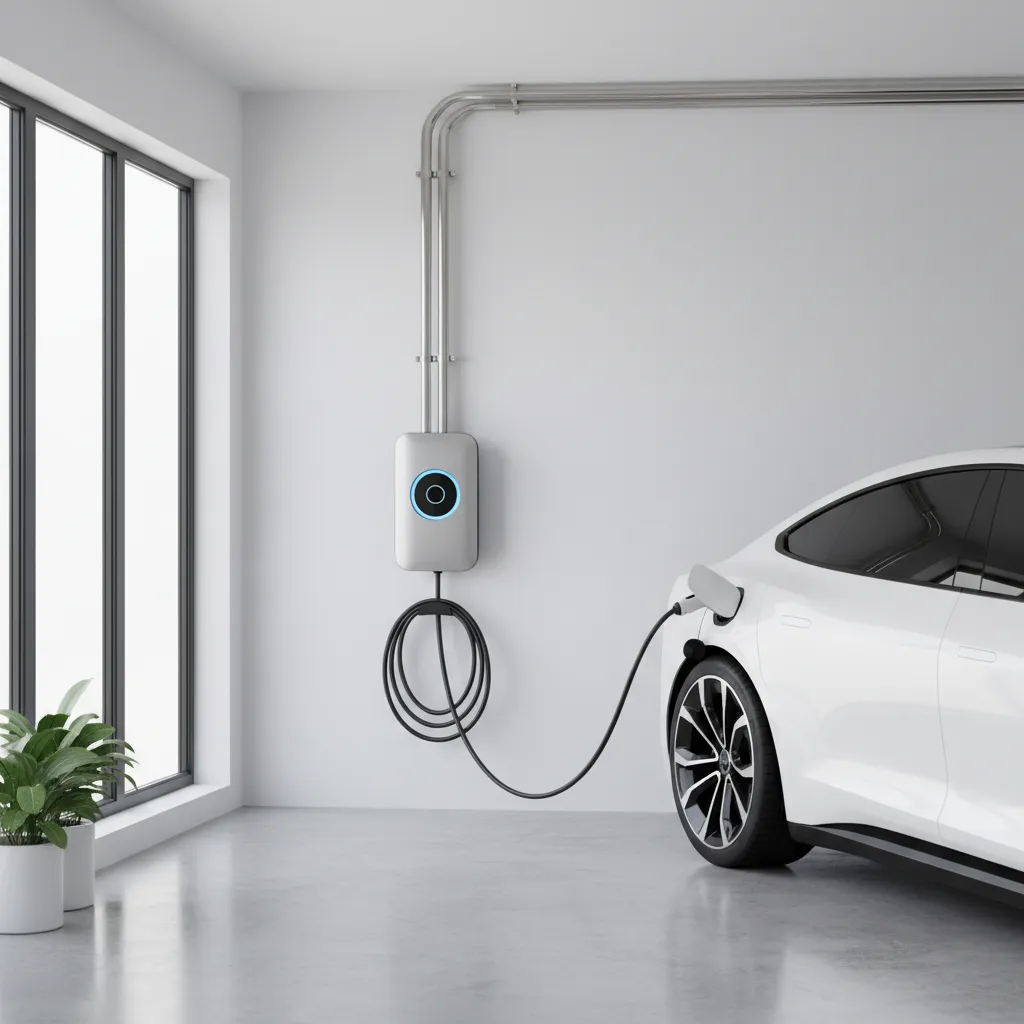
Expert Guidance for Safe Installation
Licensed & Insured
Fully licensed (ELC.0197545-E1) and insured for your protection and peace of mind.
Safety First
Professional installation ensures proper safety measures and code compliance.
Code Compliant
All installations meet or exceed Connecticut electrical codes and safety standards.
Free Estimates
Transparent pricing with no hidden fees. Get your free professional installation estimate today.