Tesla Powerwall 3 Review for Connecticut Homeowners (2026)
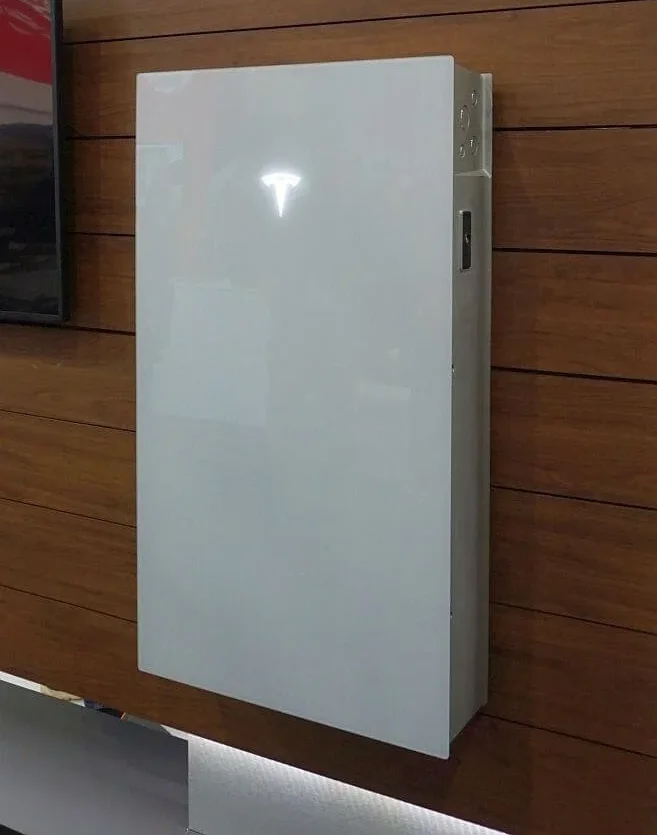
The Tesla Powerwall 3 is the most significant battery storage upgrade Tesla has released since the original Powerwall. It combines a 13.5 kWh battery with a built-in solar inverter capable of handling up to 11.5 kW of DC solar input - eliminating the need for a separate string inverter or microinverters on most residential systems. In Connecticut, where storms regularly knock out power for days, the Powerwall 3 has become the most requested battery storage product we install.
Powerwall 3 Specifications
| Spec | Powerwall 3 | Powerwall 2 (prev gen) |
|---|---|---|
| Usable capacity | 13.5 kWh | 13.5 kWh |
| Continuous power output | 11.5 kW (on-grid) / 7.6 kW (off-grid) | 5 kW continuous |
| Peak power | 10 kW (off-grid backup) | 7 kW peak |
| Built-in solar inverter | Yes (up to 11.5 kW DC input) | No (requires separate inverter) |
| Solar strings supported | 6 DC strings | N/A |
| EV charger support | Up to 48A EVSE integration | Limited |
| Stacking | Up to 4 units (54 kWh) | Up to 10 units |
| Dimensions | 43.25 x 24 x 7.6 in | 45.3 x 29.6 x 5.75 in |
| Weight | 287 lbs | 251 lbs |
| Operating temp | -4F to 122F (-20C to 50C) | -4F to 122F |
| Warranty | 10 years, 70% capacity retention | 10 years, 70% capacity retention |
| CT installed cost (1 unit) | $14,000 - $20,000 | $12,000 - $17,000 |
The Biggest Upgrade: Built-In Solar Inverter
The Powerwall 3's most meaningful change from the Powerwall 2 is the integrated solar inverter. The Powerwall 2 was a DC-coupled battery that worked alongside a separate solar inverter (SolarEdge, Enphase, or a string inverter). The Powerwall 3 handles both jobs in one unit.
What this means practically for Connecticut homeowners:
- New solar + Powerwall 3 installations require fewer components, which reduces installation cost and potential failure points
- The Powerwall 3 handles up to 6 DC solar strings (up to 11.5 kW of solar), which covers the vast majority of Connecticut residential systems
- For existing systems with a separate string inverter, the Powerwall 3 can still be added as an AC-coupled battery - it does not require you to replace your inverter
- For existing Enphase microinverter systems, the Powerwall 3 integrates as AC-coupled storage - but the Enphase IQ Battery 5P remains the more seamless fit for Enphase systems
Backup Power Performance in Connecticut
The Powerwall 3 more than doubles the continuous backup power output compared to the Powerwall 2 (11.5 kW vs 5 kW continuous). This matters for Connecticut homeowners with heat pumps, well pumps, or EV chargers - all loads that the Powerwall 2 struggled to support simultaneously during an outage.
Real backup runtime estimates for a single Powerwall 3 (13.5 kWh):
Essential loads only (fridge, lights, internet, phone charging)
24-36 hours
Essential loads + heat pump (moderate CT winter operation)
12-18 hours
Essential loads + heat pump + well pump
8-14 hours
Two Powerwalls (27 kWh) + solar recharging during daylight
Indefinitely in mild weather; 3-5 days in deep winter
Connecticut Incentives for Powerwall 3
Two incentive programs apply to Powerwall 3 in Connecticut:
CT Energy Storage Solutions (ESS) Incentive
Connecticut's ESS program pays $200-$400 per kWh of installed battery capacity. For a 13.5 kWh Powerwall 3, this could be $2,700-$5,400 paid over 5 years as a performance-based incentive. West Electric verifies current program availability at every estimate since ESS program caps change.
Powerwall 3 vs. Enphase IQ Battery 5P vs. FranklinWH: Which Should You Choose?
The three-way comparison depends primarily on your existing solar setup:
Choose Powerwall 3 if...
You are doing a new solar installation and want one integrated unit, or you have an existing string inverter system and want maximum backup output power.
Choose Enphase IQ Battery 5P if...
You already have Enphase microinverters. The IQ Battery integrates natively into the Enphase Enlighten monitoring platform with no additional gateway hardware.
Choose FranklinWH aPower if...
Budget is the primary driver. FranklinWH offers comparable capacity at typically $1,000-$3,000 less than Powerwall 3, with solid performance and CT ESS eligibility.
Installation in Connecticut: What to Expect
Powerwall 3 installation requires a licensed electrician and an electrical permit in Connecticut. The installation process:
- West Electric evaluates your main panel, existing solar (if any), and preferred backup load list
- We submit the electrical permit to your town and the interconnection application to Eversource or UI (for grid-tied systems)
- Installation takes 4-8 hours for a single Powerwall 3 without new solar; 1-2 days for combined solar + Powerwall
- State DCP electrical inspection is scheduled and managed by West Electric
- Tesla activates the Powerwall remotely via the Gateway; you set up the Tesla app and configure backup preferences
Tesla Powerwall 3 Estimate for Your Connecticut Home
West Electric installs Powerwall 3 across Connecticut. Tell us whether you have existing solar, your utility (Eversource or UI), and what loads you want to back up - we will give you a firm installed price and incentive breakdown.
GET A FREE POWERWALL 3 ESTIMATEWest Electric is Connecticut's trusted electrical contractor, providing professional insight into the latest energy and safety trends.
More from the blog

Solar
How to Save on Energy with Solar
Discover how high-efficiency solar panels can drastically reduce your monthly utility bills.

EV Charging
EV Charging: Home vs Public
Understanding the benefits of installing a Level 2 home charger for your electric vehicle.

Safety
Preventing Electrical Fires
Key safety tips and inspection schedules to keep your home's electrical system safe.
Ready for an estimate on your project?
Free site visit. Written quote. Licensed Connecticut electricians.
Get a Free Estimate