Off-Grid Solar in Connecticut: When It Makes Sense (and When It Doesn't)
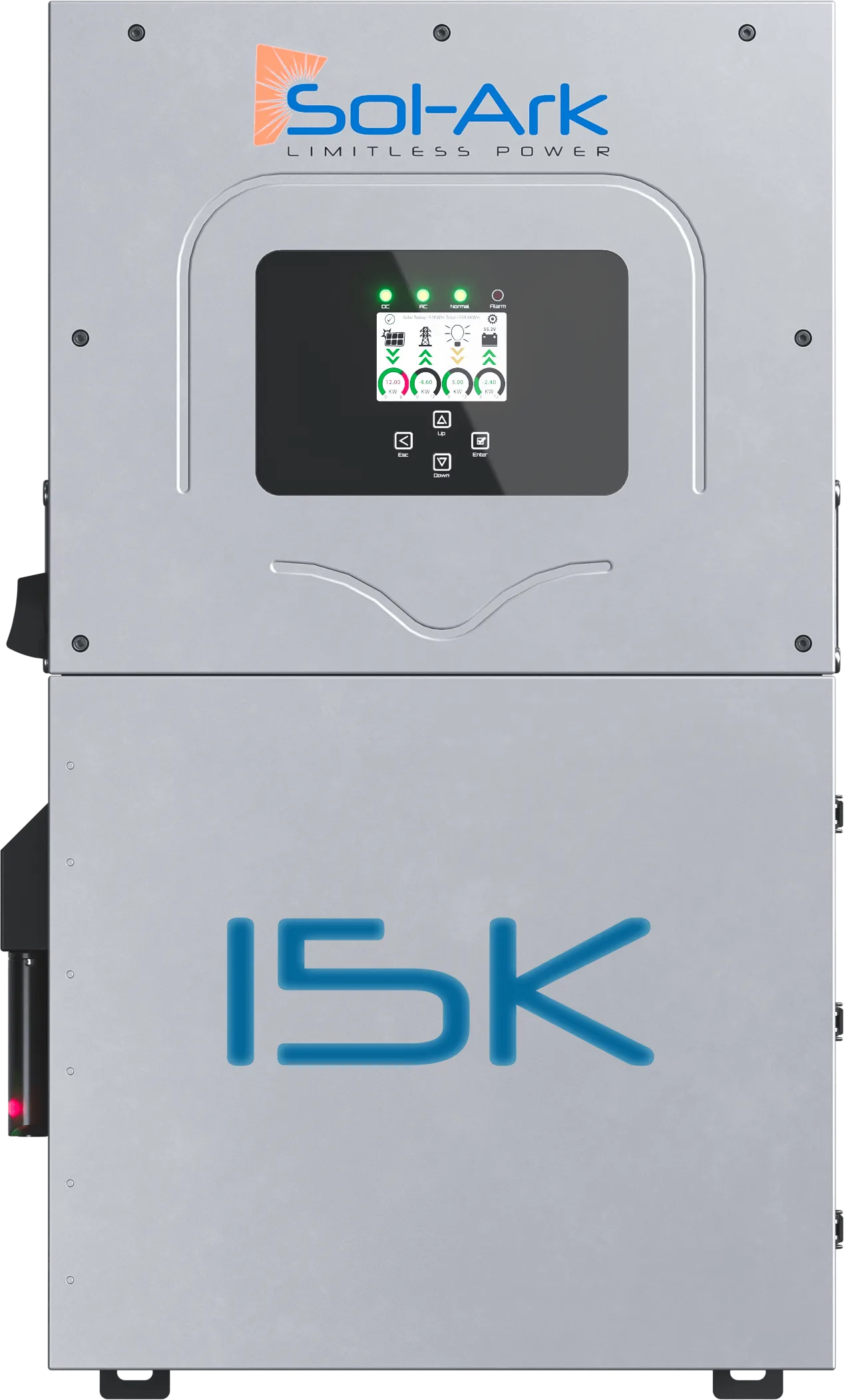
True off-grid solar - disconnecting from Eversource or United Illuminating entirely - is technically possible in Connecticut but financially advantageous for very few homeowners. The economics that make off-grid compelling in remote rural states do not apply the same way in densely-settled Connecticut. This article explains when off-grid makes sense, what it actually costs, and why most Connecticut homeowners who want energy independence are better served by grid-tied solar with battery backup.
Off-Grid vs. Grid-Tied vs. Grid-Tied with Battery: The Three Options
Grid-tied solar (no battery)
Panels + inverter connected to the utility grid. You export excess during the day and import at night. Net metering credits offset import costs. Lowest upfront cost, fastest payback. No backup during outages.
Grid-tied with battery backup
Same as above but a battery stores solar excess for use at night or during outages. During an outage, the battery (and solar during daylight) power selected circuits. The grid remains your primary backup for extended low-sun periods.
Off-grid
No grid connection. All electricity comes from solar + a large battery bank + typically a backup generator for winter and cloudy stretches. You own all the risk of production variability. No utility bills, but significantly higher upfront cost and operational complexity.
Why Off-Grid Is Rarely the Right Choice in Connecticut
Connecticut's geography creates specific challenges for off-grid solar:
- Winter solar production is low. Connecticut averages 3.8-4.2 peak sun hours per day annually, but December and January drop to 2.5-3.0 hours. An off-grid system sized for summer production will be undersized in winter. An off-grid system sized for winter production is massively oversized in summer.
- Utility connection is already there. Unlike a remote rural property where running a new utility line costs $15,000-$50,000+ per mile, virtually every Connecticut property is already connected to the grid. There is no avoided grid hookup cost to offset the off-grid premium.
- Net metering makes grid export valuable. Connecticut's ~$0.25/kWh net metering rate is one of the best in the Northeast. Every kilowatt-hour you export is worth a quarter. Off-grid forfeits that ongoing revenue stream.
- Battery sizing for true off-grid is expensive. A grid-tied home with battery backup needs 1-3 days of battery capacity as a practical resilience buffer. True off-grid in Connecticut needs 7-14 days of battery capacity to survive extended winter cloudy periods without a generator - that means $50,000-$100,000 in batteries alone.
When Off-Grid Does Make Sense in Connecticut
There are legitimate reasons to go off-grid in Connecticut, but they are narrow:
New construction on a parcel without grid access
Some rural CT parcels, especially in Litchfield County and eastern CT, are far enough from utility infrastructure that grid connection would cost $30,000-$100,000+. If the off-grid system costs less than the utility hookup, it may be the right choice.
Seasonal or vacation properties with modest loads
A camp or seasonal cabin with only lighting, a small refrigerator, and phone charging can be served by a modestly-sized off-grid system. The load profile is small and manageable.
Principled energy independence regardless of economics
Some homeowners prioritize grid independence as a lifestyle or resilience goal and are willing to pay the premium. West Electric will design a proper off-grid system for any customer who wants one.
What Off-Grid Solar Costs in Connecticut
Small off-grid system (cabin/seasonal, 2-3 kW solar, 20 kWh battery)
Limited appliances, no HVAC, no EV charging. Seasonal use only.
$25,000 - $40,000
Medium off-grid system (primary residence, 10-12 kW solar, 60-80 kWh battery)
With heat pump and modest EV charging. Backup generator required.
$80,000 - $130,000
Full off-grid primary residence with generator backup
Complete independence. Large battery bank, generator for winter weeks.
$120,000 - $200,000+
Grid-tied solar + Powerwall 3 (comparison)
Best of both worlds: low upfront, full backup capability, net metering benefits.
$30,000 - $45,000
Before incentives.
The Grid-Tied + Battery Alternative: Best of Both Worlds
For most Connecticut homeowners who want energy resilience, grid-tied solar with a battery (or two) delivers 90% of the independence benefits at 30-40% of the off-grid cost. During an outage, you run on solar and battery. During extended low-production periods in winter, the grid is your backup - and that backup costs you nothing until you use it.
A typical grid-tied + Powerwall 3 system in Connecticut ($30,000-$45,000 before incentives) provides:
- Net metering credits that reduce the annual electricity bill by $1,200-$2,000
- 12-24+ hours of battery backup for essential circuits during outages (more with solar recharging during daylight)
- 8-12 year payback on the system investment
- 25-year panel life with manufacturer production warranty
The true off-grid premium of $80,000-$150,000+ over the grid-tied alternative buys you the elimination of a utility connection fee that does not exist for most Connecticut properties. The math rarely works.
Connecticut's Rules for Disconnecting from the Grid
Disconnecting from Eversource or UI is technically possible but involves utility notification, physical disconnection of the meter, and surrender of your net metering agreement. The utility may charge fees for physical disconnection. If you later want to reconnect, you will go through the standard interconnection application process and potentially face new hookup charges.
West Electric recommends against formal grid disconnection even for homeowners installing large off-grid-capable systems. Maintaining grid connection as a backup costs only the fixed monthly utility customer charge (roughly $8-$15/month for residential customers), which is cheap insurance for winter storms and cloudy stretches.
Solar + Battery Design for Connecticut Homes
Whether you want maximum grid independence or the fastest payback, West Electric designs solar and battery systems sized for your actual load, your roof, and your goals. Free estimate with production projections and payback analysis.
GET A FREE SOLAR + BATTERY ESTIMATEWest Electric is Connecticut's trusted electrical contractor, providing professional insight into the latest energy and safety trends.
More from the blog

Solar
How to Save on Energy with Solar
Discover how high-efficiency solar panels can drastically reduce your monthly utility bills.

EV Charging
EV Charging: Home vs Public
Understanding the benefits of installing a Level 2 home charger for your electric vehicle.
Safety
Preventing Electrical Fires
Key safety tips and inspection schedules to keep your home's electrical system safe.
Ready for an estimate on your project?
Free site visit. Written quote. Licensed Connecticut electricians.
Get a Free Estimate