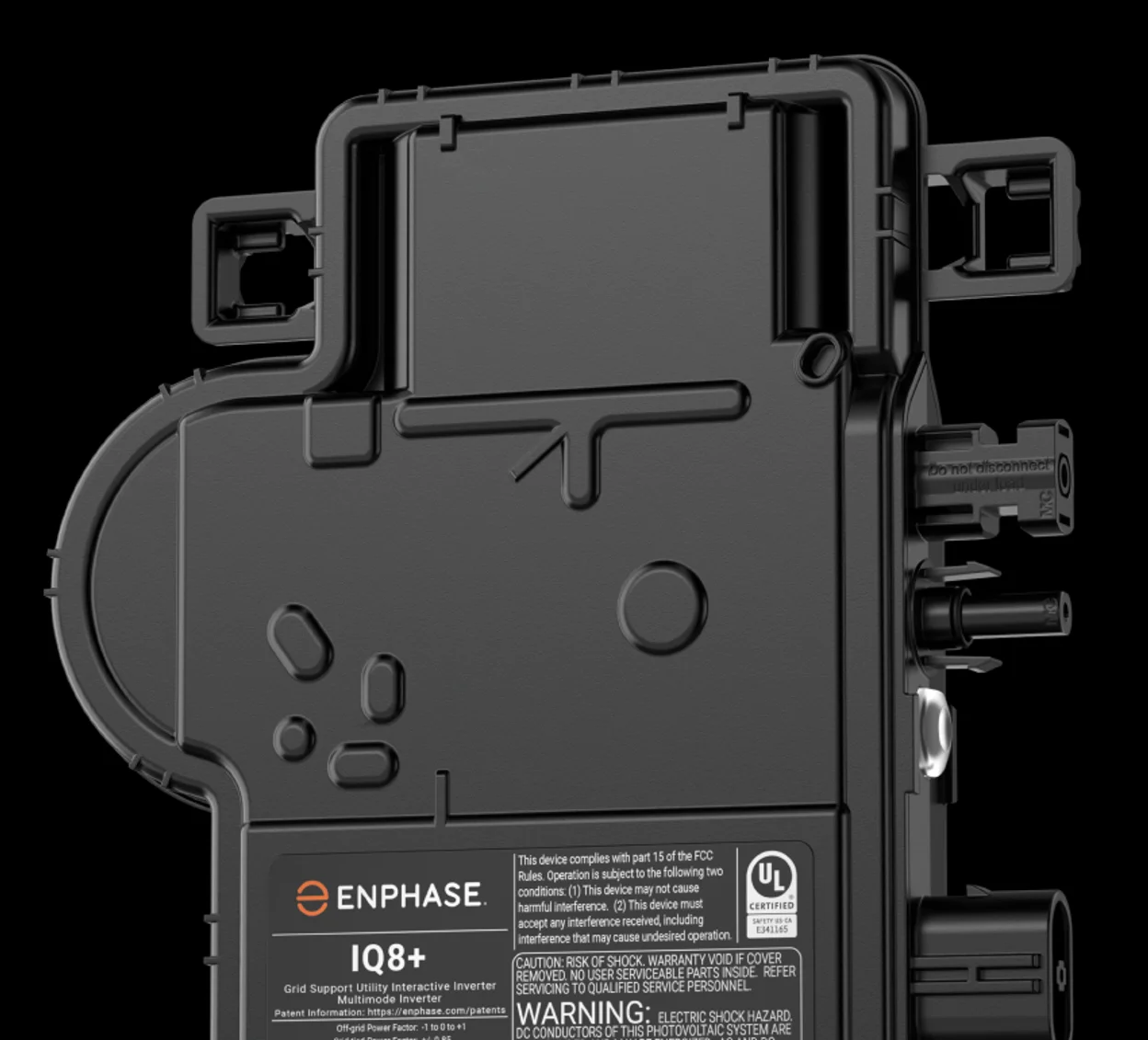
NEC 2023 Changes That Affect Solar and EV Installations in Connecticut
The 2023 National Electrical Code (NEC) introduced several changes that directly affect residential solar, EV charger, and battery storage installations in Connecticut. Connecticut adopted NEC 2023 and towns began enforcing it for permits issued in 2024 and 2025. Here are the changes that matter most for homeowners adding electrification upgrades.
What Is the NEC and How Does Connecticut Adopt It?
The National Electrical Code is a model code published every three years by the National Fire Protection Association (NFPA). Individual states and municipalities choose to adopt it, sometimes with local amendments. Connecticut adopted NEC 2023 at the state level; local building departments enforce it for permits issued after the adoption date.
When you pull a permit for a solar installation, EV charger, or panel upgrade in Connecticut, the work must comply with whichever version of the NEC your town is currently enforcing. West Electric holds current knowledge of NEC 2023 requirements and builds them into every installation.
NEC 2023 Change: Article 230.67 - Surge Protection Required
What changed: NEC 2023 Article 230.67 now requires a Type 1 or Type 2 surge protective device (SPD) at the service entrance on all new service installations and service upgrades.
What it means for CT homeowners: If you are getting a 100A-to-200A service upgrade in Connecticut, a surge protector must be installed at the panel as part of the upgrade. This is not optional. The cost is typically $200-$400 for the SPD itself plus a small amount of labor, rolled into the panel upgrade quote.
Why it matters for solar: Solar inverters and battery systems are sensitive to grid voltage spikes. The NEC-mandated SPD at the panel actually benefits solar homeowners by providing a first layer of protection for expensive inverter equipment.
NEC 2023 Change: Article 210.8 - Expanded GFCI Requirements
What changed: GFCI (ground fault circuit interrupter) protection is now required in additional locations, including all 125V through 250V receptacles in garages, unfinished basements, and outdoor locations.
What it means for EV charger installation: If your EV charger is installed in a garage (the most common location), the 240V circuit feeding it now requires GFCI protection under NEC 2023 in many Connecticut jurisdictions. GFCI protection for 240V EV charger circuits can be provided by a GFCI breaker (adds $50-$150 to the installation cost) or a charger with built-in GFCI (most modern Level 2 chargers already include this).
West Electric verifies GFCI compliance on every EV charger installation as part of the permitting package.
NEC 2023 Change: Article 705 - Interconnected Power Production Sources
What changed: Article 705 was significantly reorganized in NEC 2023 to better address solar, battery storage, and other distributed energy resources. The bus bar load calculation changed, which affects how solar backfeed is calculated against panel capacity.
Practical impact for CT solar: The revised 705.12 bus bar calculation for solar interconnection is slightly more permissive in some cases (it now considers the panel's full busbar rating rather than just breaker positions in certain configurations). This can allow a higher solar inverter capacity on a panel without requiring a larger service, compared to NEC 2020 calculations.
Your solar installer and the plan reviewer at the town building department will apply the NEC 2023 705 calculation. West Electric's designs account for the current code version to avoid permit rejections.
NEC 2023 Change: Article 706 - Energy Storage Systems
What changed: Article 706 (Energy Storage Systems) was updated with new requirements for battery location, ventilation, and safety disconnects.
Key requirements affecting CT homeowners adding Powerwall, Enphase IQ Batteries, or FranklinWH aPower:
- Indoor battery placement: Lithium-ion batteries installed indoors (garages, basements, utility rooms) require compliance with manufacturer spacing requirements and in some cases specific ventilation provisions. Most modern battery enclosures are designed for indoor installation and meet these requirements without modification.
- Disconnecting means: A readily accessible disconnect is required for the battery system. Most battery systems (Powerwall 3, Enphase IQ, FranklinWH) have a manufacturer-integrated disconnect that satisfies this requirement.
- Warning labels: Specific arc flash and shock hazard labels are required on energy storage equipment and disconnects. Your installer should apply the correct NEC 2023-compliant labels.
NEC 2023 Change: Arc Fault (AFCI) Expansion
NEC 2023 expands the list of areas where Arc Fault Circuit Interrupter (AFCI) protection is required. For most solar and EV charger installations, AFCI requirements on the new circuits themselves are less commonly triggered, but any panel work done alongside a solar or EV installation that touches existing circuits may require AFCI upgrades on those circuits per the current code.
This can add modest cost to a panel upgrade that also involves touching older circuits - your inspector may flag older wiring that the code now requires to be brought up to current AFCI standards.
What This Means When You Get a Quote
When West Electric quotes a solar installation, EV charger, or panel upgrade in Connecticut, the price includes NEC 2023-compliant materials and labor - surge protection where required, GFCI where required, correct Article 705 or 706 design. We do not add these as surprises after the permit comes back.
If you have received a lower quote from another contractor that does not mention NEC 2023 compliance items like surge protection or GFCI breakers, ask them explicitly whether those are included. A permit rejection that requires re-work is more expensive than building the code requirements into the original installation.
NEC 2023-Compliant Installations Across Connecticut
West Electric stays current on Connecticut code adoption. Every installation we permit and inspect is built to the version of the NEC your town is enforcing - no surprises at inspection.
GET A FREE ESTIMATEWest Electric is Connecticut's trusted electrical contractor, providing professional insight into the latest energy and safety trends.
More from the blog

Solar
How to Save on Energy with Solar
Discover how high-efficiency solar panels can drastically reduce your monthly utility bills.
EV Charging
EV Charging: Home vs Public
Understanding the benefits of installing a Level 2 home charger for your electric vehicle.
Safety
Preventing Electrical Fires
Key safety tips and inspection schedules to keep your home's electrical system safe.
Ready for an estimate on your project?
Free site visit. Written quote. Licensed Connecticut electricians.
Get a Free Estimate