
Heat Pump vs. Gas Furnace in Connecticut: 2026 Cost Comparison
The heat pump vs. gas furnace decision is one of the most consequential home energy choices a Connecticut homeowner can make right now. The answer depends on your home size, insulation quality, existing equipment age, and how you weigh upfront cost against long-term operating cost. This guide gives you the actual Connecticut numbers for both options and explains when each makes more sense.
Upfront Cost Comparison in Connecticut
| System type | CT installed cost (before incentives) | After incentives |
|---|---|---|
| Gas furnace (high-efficiency, 2-stage) | $3,500 - $6,000 | No rebate currently |
| Central A/C (separate, to pair with gas furnace) | $3,500 - $6,500 | No rebate currently |
| Gas furnace + central A/C total | $7,000 - $12,500 | $7,000 - $12,500 net |
| Cold-climate heat pump (ducted, 3-ton) | $12,000 - $22,000 | $10,000-$20,000 after Eversource/UI rebate |
| Mini-split heat pump (multi-zone, no ducts) | $10,000 - $20,000 | $6,000-$16,000 after incentives |
Eversource rebates are up to $1,500; United Illuminating rebates up to $2,000 for qualifying cold-climate heat pumps.
Annual Operating Cost: Connecticut Numbers
This is where the long-term math gets interesting. Heat pump efficiency is measured by Coefficient of Performance (COP) - how many units of heat delivered per unit of electricity consumed. A good cold-climate heat pump achieves a COP of 2.5-4.0 in mild weather, meaning it delivers 2.5-4x as much heat as the electricity it uses. Below -5F it drops to COP of 1.0-1.5.
Annual heating cost estimate for a 2,000 sq ft Connecticut home with average insulation:
High-efficiency gas furnace (96% AFUE)
$1,100 - $1,800/year
At Eversource Gas ~$1.50/therm, 700-1,200 therms/year
Cold-climate heat pump (avg COP 2.5)
$1,400 - $2,200/year
At Eversource electricity ~$0.25/kWh, 5,600-8,800 kWh/year
Cold-climate heat pump with TOU rates
$900 - $1,500/year
Charging off-peak ($0.17/kWh avg) saves 25-35% on heating
Cold-climate heat pump with solar
$200 - $600/year
Solar offsets most heating cost; highly dependent on system size
Oil furnace (for comparison)
$2,200 - $3,800/year
At ~$4.00/gallon, 600-950 gallons/year
Propane furnace (for comparison)
$2,500 - $4,500/year
At ~$3.50/gallon, 700-1,300 gallons/year
Cold-Climate Performance: The Connecticut Reality
Connecticut winters regularly hit -5F to -15F during cold snaps. Older heat pump technology struggled in these conditions. Cold-climate heat pumps (CCHP) from Mitsubishi, Bosch, Carrier, and Trane are rated to maintain rated capacity down to -13F or lower, with meaningful heating output to -22F. The Mitsubishi Hyper-Heat line, for example, delivers 76% of its rated capacity at -13F.
The relevant question is not whether the heat pump works in a Connecticut winter - modern CCHPs do. The question is your building envelope. A poorly insulated Connecticut home with high infiltration will run the heat pump continuously during cold snaps and may fall short of setpoint. An air-sealed and insulated home (2x6 construction, R-38 attic, R-15+ walls) will be comfortable with a properly sized CCHP even in January.
Heat pump works well if...
Your home was built after 1990 OR has been air-sealed and insulated. Attic insulation at R-38+. Windows are double-pane. The heat pump is sized by a Manual J load calculation (not rule of thumb). You are replacing an aging oil or propane system where the operating cost comparison is most favorable.
Hybrid heat pump may be better if...
Your home has older construction with high air infiltration, or you are not ready to commit to a full all-electric system. A hybrid (heat pump + gas backup) runs the heat pump down to 25-30F and switches to gas below that, capturing 70-80% of the heat pump efficiency benefit at lower upfront cost than a cold-climate system.
Gas furnace still makes sense if...
Your existing gas furnace is under 10 years old and functioning well (skip the replacement for now). You have natural gas service and no plans for solar. Upfront cost is the primary constraint. Your home is very large or very poorly insulated (address the envelope first, then revisit electrification).
10-Year Total Cost Comparison
Modeling a 2,000 sq ft Connecticut home replacing an end-of-life system, with gas available:
Gas furnace + A/C
Cold-climate heat pump (after incentives: ~$12,000)
Heat pump + TOU rates
Heat pump + solar (after incentives)
The heat pump without TOU rates is slightly more expensive over 10 years vs gas in Connecticut due to high electricity rates. The heat pump with TOU rates is roughly break-even. The heat pump with solar is significantly better long-term but has higher upfront cost. These numbers shift materially if gas prices increase (they have historically) or if you are replacing oil or propane (the heat pump wins clearly).
West Electric's Role in Heat Pump Installation
West Electric handles the electrical side of heat pump installation: the dedicated circuit from the main panel to the air handler, the disconnect, and the electrical connection to the outdoor unit. The HVAC contractor installs the heat pump equipment itself. West Electric coordinates with your HVAC contractor to ensure permits are pulled in the right sequence and inspections are not delayed.
If you need a panel upgrade before a heat pump installation (common in homes with 100A service), West Electric handles that simultaneously to minimize permitting overhead.
Heat Pump Electrical Work in Connecticut
West Electric installs the electrical infrastructure for heat pump HVAC across Connecticut. Tell us your current panel size and planned heat pump - we will give you a firm price for the electrical portion including any required panel work.
GET A FREE ESTIMATEWest Electric is Connecticut's trusted electrical contractor, providing professional insight into the latest energy and safety trends.
More from the blog
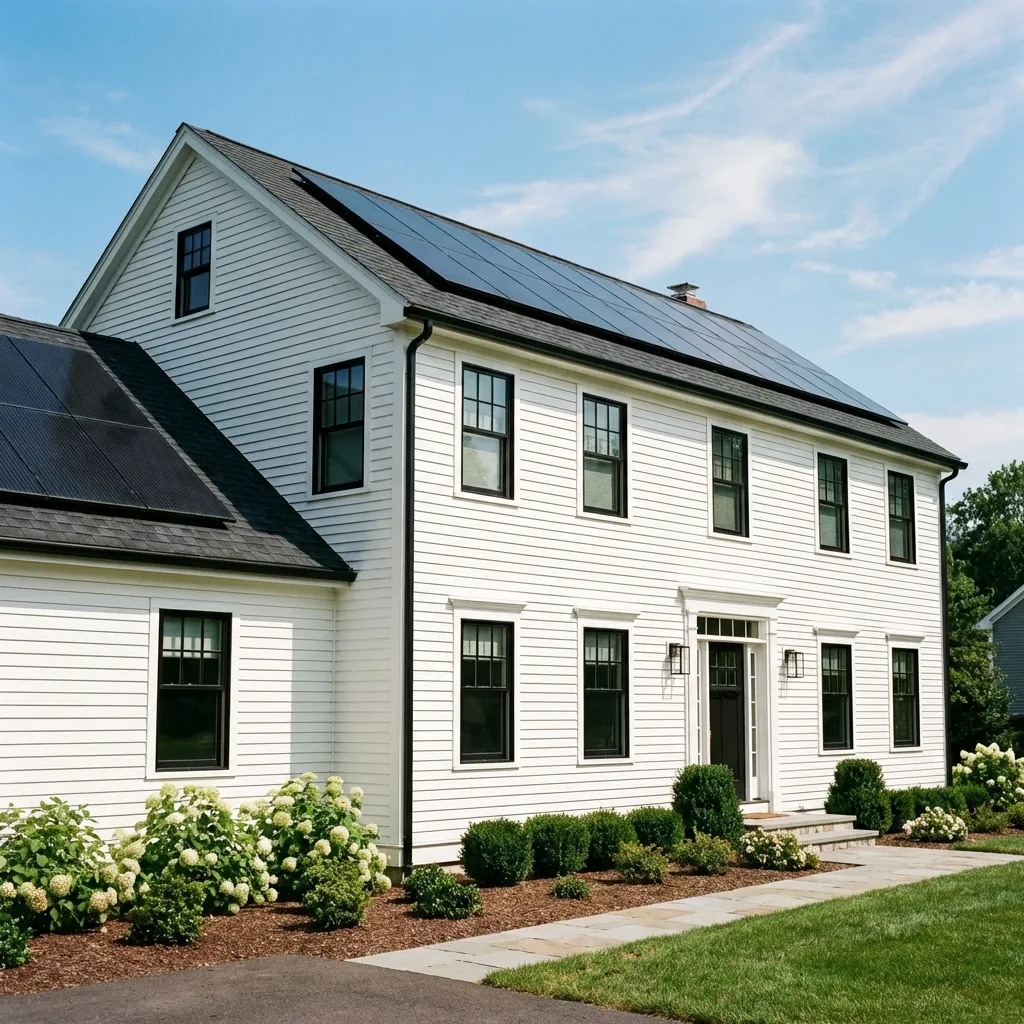
Solar
How to Save on Energy with Solar
Discover how high-efficiency solar panels can drastically reduce your monthly utility bills.

EV Charging
EV Charging: Home vs Public
Understanding the benefits of installing a Level 2 home charger for your electric vehicle.

Safety
Preventing Electrical Fires
Key safety tips and inspection schedules to keep your home's electrical system safe.
Ready for an estimate on your project?
Free site visit. Written quote. Licensed Connecticut electricians.
Get a Free Estimate