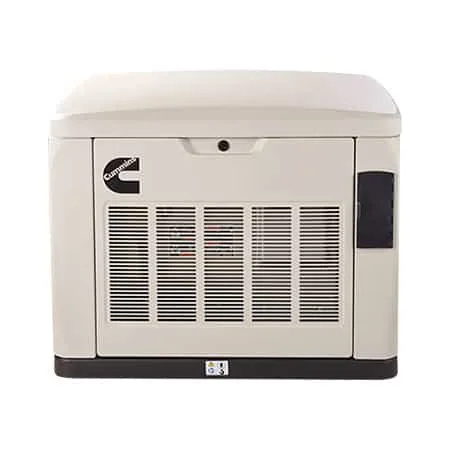
Generac vs. Cummins vs. Kohler: Which Generator is Best for Connecticut Homeowners?
Generac, Cummins, and Kohler are the three brands West Electric installs most frequently for Connecticut homeowners. All three make reliable standby generators in the 11-22 kW range that most homes need. The differences are in warranty terms, dealer network density in Connecticut, fuel flexibility, and remote monitoring capability. Here is the side-by-side.
At a Glance
| Spec | Generac | Cummins | Kohler |
|---|---|---|---|
| Home standby range | 10-24 kW | 13-20 kW | 12-20 kW |
| Engine | Generac OHVI (proprietary) | Cummins ONAN | Kohler Command PRO |
| Fuel options | Natural gas, propane, diesel | Natural gas, propane, diesel | Natural gas, propane, diesel |
| Transfer switch included | Yes (Smart Switch) | Yes (PowerCommand) | Yes (RXT ATS) |
| Remote monitoring | Mobile Link (app) | PowerCommand Cloud | OnCue (app) |
| Weekly self-test | Yes, programmable | Yes, programmable | Yes, programmable |
| Warranty (residential) | 5 years / 2,000 hrs | 5 years / 2,500 hrs | 5 years / 2,000 hrs |
| Sound level (22 kW) | ~66 dBa | ~63 dBa | ~64 dBa |
| Typical CT installed cost | $7,000 - $13,000 | $9,000 - $15,000 | $8,500 - $14,000 |
CT installed cost includes generator, automatic transfer switch, concrete pad, gas line, electrical connection, permit, and inspection. Last updated May 2026.
Generac: The Most Common Generator in Connecticut
Generac holds the largest market share of home standby generators in the United States, and Connecticut is no exception. The main advantage for CT homeowners is parts availability and service network density. Because so many Generac units are installed in the state, service technicians are more likely to have common parts on hand, and service intervals can be scheduled more quickly.
The Generac Guardian series (13-24 kW) is the workhorse for most Connecticut homes. The Mobile Link system gives you real-time generator status, exercise scheduling, and outage alerts from your phone. During a prolonged winter outage, knowing your generator is running from your phone is genuinely useful.
Generac's weakness is noise. The Guardian series runs at 66 dBa at 23 feet, which is louder than Cummins and Kohler in the same size class. If you have close neighbors or local noise ordinance limits, this matters.
Cummins: Quietest and Longest Warranty Hours
Cummins (sold as Quiet Connect in the home standby segment) earns its name. At the same output, Cummins units run 3-4 dBa quieter than Generac and Kohler. On a generator that will run for 72+ hours during a major storm, that difference matters to both you and your neighbors.
The Cummins warranty includes 2,500 hours, versus 2,000 hours for Generac and Kohler. For a generator that runs 26 hours per year on average (weekly exercise plus outage hours), 2,500 hours represents nearly a century of use. The extra hours are marketing as much as practical protection, but Cummins does have a reputation for long service life.
The tradeoff is price. Cummins units typically cost $1,000-$2,000 more than a comparable Generac, and the dealer network in Connecticut is thinner. For parts and service in a multi-day outage, Generac's service density is a real advantage.
Kohler: Best Build Quality in the Mid-Range
Kohler sits between Generac and Cummins on noise and price. The Command PRO engine has a long track record in commercial applications, and the build quality of the enclosure and transfer switch are well-regarded. The RXT automatic transfer switch is particularly clean: it uses a contactor design rather than circuit breakers, which transfer engineers prefer for reliability.
The OnCue remote monitoring app is competitive with Generac's Mobile Link. Kohler also offers a corrosion-resistant ResiConnect enclosure that is a good choice for coastal Connecticut properties.
Like Cummins, Kohler's Connecticut dealer network is thinner than Generac's. West Electric installs all three brands and can advise on parts availability in your area based on your town.
What Size Generator Do You Need?
Most Connecticut homes need a 13-18 kW standby generator. Here is a practical sizing guide:
11-13 kW
Essential circuit coverage: HVAC, refrigerator, sump pump, lights, a few outlets. Does not run the whole home simultaneously.
14-16 kW
Whole-home coverage for most houses under 2,500 sq ft without electric heat or large AC. Runs most circuits simultaneously.
18-20 kW
Homes with electric heat, heat pump, or well pump. Comfortably handles simultaneous startup loads.
22-24 kW
Large homes, homes with EV charger on generator circuit, or homes with multiple HVAC zones.
If you have a heat pump, size up one tier. Heat pumps draw significantly more startup current than gas furnaces. West Electric performs a load calculation at every generator estimate.
Which Brand Do Most Connecticut Homeowners Choose?
Generac is the most common choice at West Electric because of parts availability and competitive pricing. For homeowners with close neighbors or noise-sensitive locations, Cummins is the recommended upgrade. Kohler is the preferred choice for coastal properties where corrosion resistance matters, or for customers who prefer Kohler's transfer switch design.
All three brands require annual maintenance (oil change, filter, spark plugs, battery check) to maintain the warranty. West Electric offers annual maintenance contracts for all installed generators.
Free Generator Estimate for Your Connecticut Home
Tell us your square footage, fuel type (natural gas or propane), and whether you have a heat pump or well pump. West Electric will size the right generator and give you a firm installed price for each brand option.
GET A FREE GENERATOR ESTIMATEWest Electric is Connecticut's trusted electrical contractor, providing professional insight into the latest energy and safety trends.
More from the blog
Solar
How to Save on Energy with Solar
Discover how high-efficiency solar panels can drastically reduce your monthly utility bills.
EV Charging
EV Charging: Home vs Public
Understanding the benefits of installing a Level 2 home charger for your electric vehicle.
Safety
Preventing Electrical Fires
Key safety tips and inspection schedules to keep your home's electrical system safe.
Ready for an estimate on your project?
Free site visit. Written quote. Licensed Connecticut electricians.
Get a Free Estimate