Eversource vs United Illuminating: What Solar Homeowners Need to Know
Connecticut has two major investor-owned utilities: Eversource Energy (formerly Connecticut Light and Power), which serves the northern two-thirds of the state, and United Illuminating (UI), which serves the greater New Haven and Bridgeport area. Both utilities handle solar interconnection and net metering, but they do it differently. Here is what those differences mean for Connecticut solar homeowners in 2026.
Which Utility Do You Have?
If you are in Hartford, New Haven, Fairfield, Litchfield, Middlesex, Tolland, or Windham counties, you are most likely an Eversource customer. If you are in the New Haven or Bridgeport area specifically, you may be a United Illuminating customer. When in doubt, check your electric bill - the utility name appears on the first page.
Your utility matters for solar because it controls your interconnection application, net metering credit rate, and available rebate programs. West Electric works with both utilities every week, so we handle the paperwork for whichever one serves your address.
Net Metering: How Each Utility Credits Your Solar
Both Eversource and United Illuminating operate under Connecticut's Residential Renewable Energy Solutions (RRES) program, which requires them to credit excess solar generation at the retail rate. This is sometimes called net metering, though Connecticut uses its own program structure.
- Credit rate: Both utilities credit excess generation at the full blended retail rate, including distribution charges. As of 2026, this is approximately $0.22-$0.26 per kWh depending on your rate class.
- Credit rollover: Unused monthly credits roll forward month to month. At the end of a 12-month anniversary period, Eversource and UI handle excess credits differently - confirm current rules with each utility, as program details can change.
- System size limits: Both utilities cap residential RRES participation at 25 kW for most homeowners, which is far above what any single-family home would install.
Interconnection: Where the Processes Differ
Getting permission to connect your solar system to the grid requires submitting an interconnection application, passing a technical review, and scheduling a utility inspection. This is where Eversource and UI diverge most in practice.
- Eversource: Uses an online application portal (the EAP portal). Processing times for standard residential interconnection average 4-8 weeks after a complete application is submitted. Eversource requires a witness inspection for systems above a certain size threshold, which adds scheduling time.
- United Illuminating: Has historically had shorter interconnection timelines for small residential systems, often 3-6 weeks for standard applications. UI's process is more phone-accessible for resolving issues.
West Electric files all interconnection paperwork and follows up directly with both utilities. You do not need to interact with either utility directly - we handle it.
EV Charger Rebates: Eversource vs UI
Both utilities offer rebates for Level 2 home EV charger installation, but the amounts and program structures differ:
- Eversource EV Charger Rebate: $300-$800 for qualifying Level 2 chargers. Higher amounts require enrollment in Eversource's EV time-of-use rate plan and may require a smart charger with demand response capability.
- United Illuminating EV Charger Rebate: $300-$1,500 for qualifying Level 2 chargers. UI customers in eligible areas can receive higher rebates, particularly for ENERGY STAR-certified chargers.
In practical terms, UI customers often have access to a higher EV charger rebate than comparable Eversource customers. This can make a meaningful difference on total out-of-pocket cost.
Solar Rates: Reading Your Electric Bill
Eversource and UI both have tiered rate structures with separate generation and distribution components. For solar, the most important number is the total blended rate you pay per kWh - because that is the rate at which your net metering credits are valued.
As of 2026, residential customers in Connecticut pay among the highest electricity rates in the continental U.S. That high rate is actually good news for solar economics: every kWh your panels produce is worth more than it would be in a low-rate state.
What Stays the Same Regardless of Utility
Whichever utility serves your address, the following apply to all Connecticut solar homeowners:
- The CT Green Bank Smart-E Loan financing is available statewide.
- Town building permits and electrical permits are required regardless of utility.
- The CT Energy Storage Solutions incentive for battery storage is available statewide.
West Electric Works With Both Utilities
We file interconnection applications with Eversource and United Illuminating every week. We know both processes and handle all paperwork, permits, and utility coordination on your behalf.
GET A FREE SOLAR ESTIMATEWest Electric is Connecticut's trusted electrical contractor, providing professional insight into the latest energy and safety trends.
More from the blog
Solar
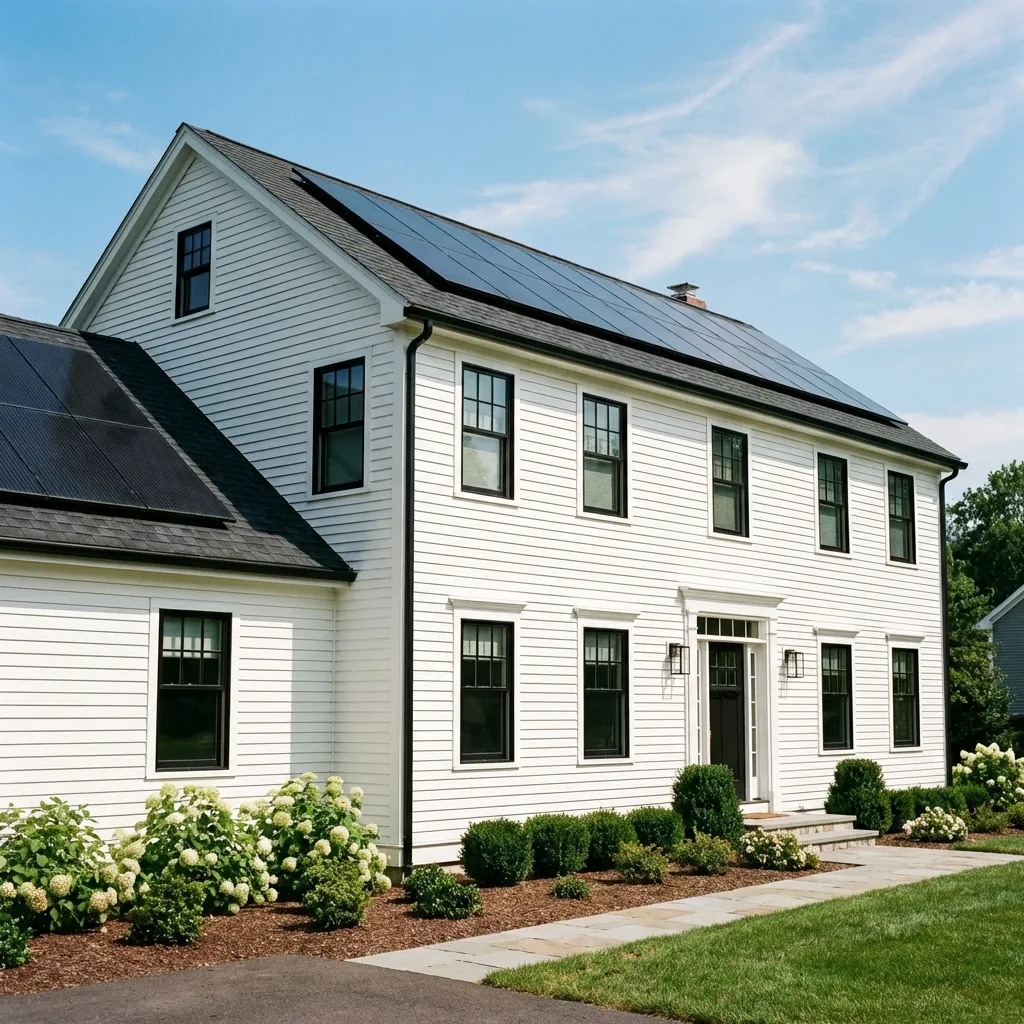
How to Save on Energy with Solar
Discover how high-efficiency solar panels can drastically reduce your monthly utility bills.

EV Charging
EV Charging: Home vs Public
Understanding the benefits of installing a Level 2 home charger for your electric vehicle.
Safety
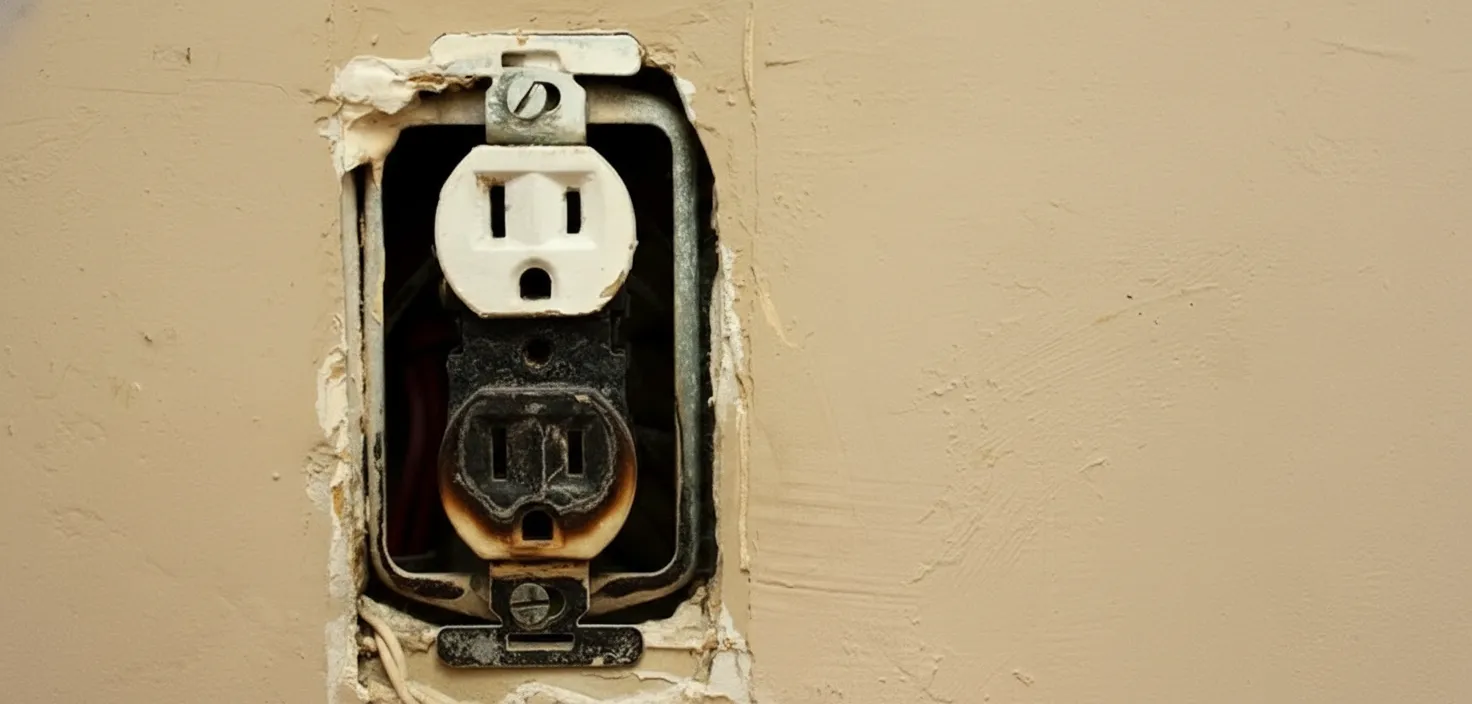
Preventing Electrical Fires
Key safety tips and inspection schedules to keep your home's electrical system safe.
Ready for an estimate on your project?
Free site visit. Written quote. Licensed Connecticut electricians.
Get a Free Estimate