Eversource Time-of-Use Rates in Connecticut: How to Save with EV and Battery
Eversource offers a Time-of-Use (TOU) rate program that charges different prices for electricity depending on when you use it. For Connecticut homeowners with an EV, a battery storage system, or solar panels, TOU rates can reduce your annual electricity bill by $200-$800 compared to the standard flat rate. Here is how the program works and whether it makes sense for your situation.
What Is a Time-of-Use Rate?
Under the standard Eversource residential rate, you pay the same price per kWh whether you use electricity at 2 PM on a hot August afternoon or at 2 AM on a Sunday. Time-of-Use rates split the day into peak and off-peak windows and charge different prices in each. The goal is to shift demand away from expensive peak hours (when the grid is most stressed) and toward off-peak hours when wholesale electricity is cheap.
For most households, this is neutral or slightly negative - you would have to change your behavior significantly to save money. But for EV owners and battery storage users, the math is strongly positive because you can schedule your large loads to run during cheap hours automatically.
Eversource TOU Rate Schedule (2026)
Eversource's primary Time-of-Use offering for residential customers uses the following peak/off-peak structure:
| Period | Hours | Days | Approx. Rate |
|---|---|---|---|
| Off-peak | 9 PM - 8 AM | Weekdays | ~$0.15-$0.19/kWh |
| Peak | 8 AM - 9 PM | Weekdays | ~$0.28-$0.35/kWh |
| Off-peak (all day) | All hours | Weekends + holidays | ~$0.15-$0.19/kWh |
Exact rates change quarterly with Eversource's Standard Offer adjustment. Check Eversource.com or your bill for current rates. United Illuminating offers a similar TOU structure for UI customers.
EV Owners: The Biggest TOU Winners
If you charge an EV at home, you are adding 3,000-5,000 kWh per year to your electricity consumption. Whether that happens at peak or off-peak rates makes a significant annual cost difference. Here is the math for a Tesla Model 3 Long Range (3.5 miles/kWh) driven 12,000 miles per year:
12,000 miles / 3.5 mi/kWh
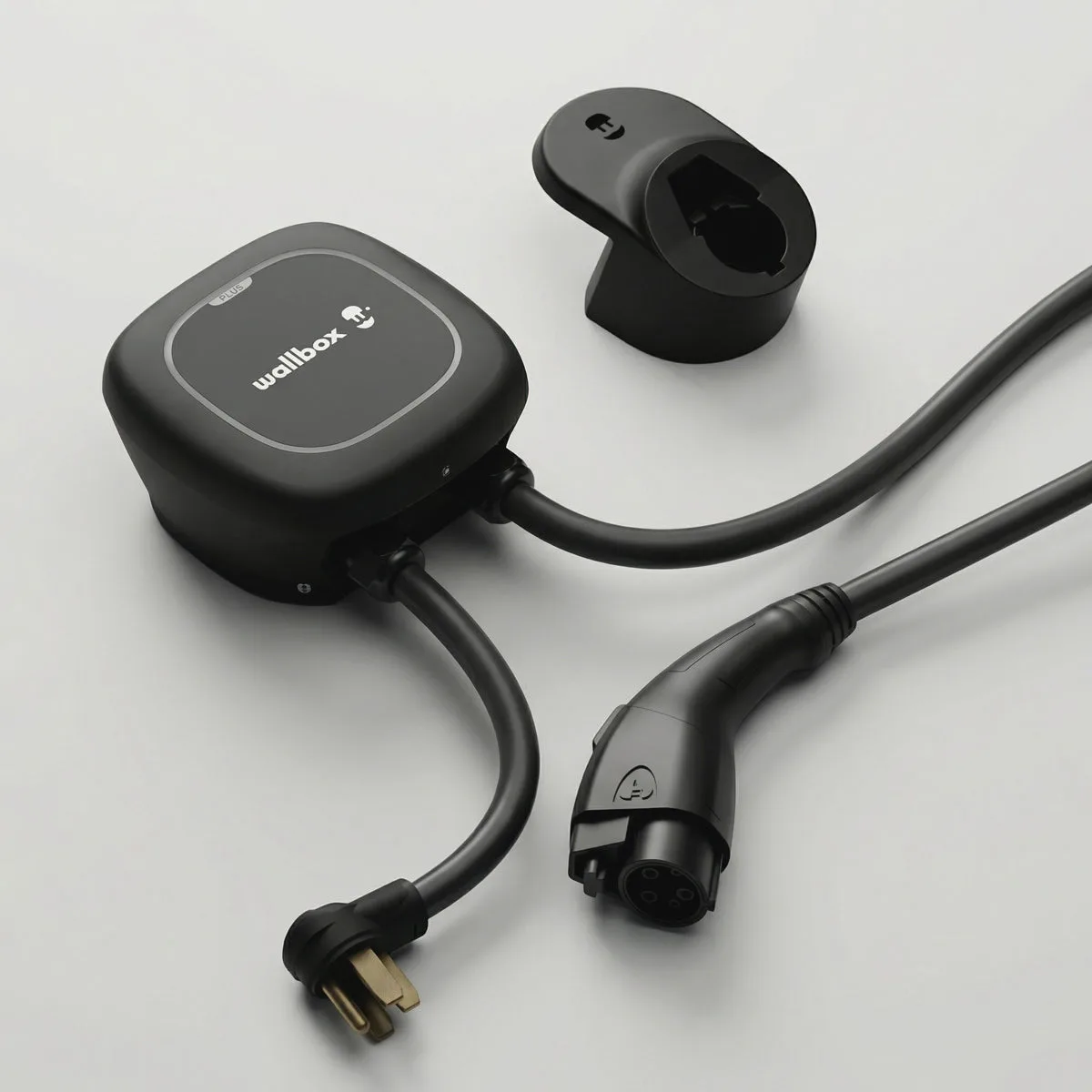
The key: every modern EV and Level 2 home charger supports scheduled charging. Set your charger to start at 9 PM on weeknights, and you capture the off-peak rate automatically without changing any behavior. Smart chargers (ChargePoint Home Flex, JuiceBox 48, Emporia Smart) make scheduling straightforward through an app.
Battery Storage + TOU: Arbitrage Without Solar
A battery storage system (Powerwall 3, Enphase IQ Battery 5P, FranklinWH) paired with TOU rates creates an arbitrage opportunity even without solar panels: charge the battery at off-peak rates overnight, discharge it during peak hours the next day to avoid peak pricing.
The math for a 13.5 kWh battery (one Powerwall 3) used purely for TOU arbitrage in Connecticut:
TOU arbitrage alone does not justify a battery purchase in Connecticut. Battery payback is driven by outage protection value and solar self-consumption - the TOU arbitrage is a bonus, not the primary justification.
Solar + TOU: Maximize Your Net Metering Credits
Under Connecticut net metering, your solar panels earn credits at the retail rate for every kWh exported to the grid. With TOU rates, the credit value depends on when you export. Solar production peaks midday (10 AM - 3 PM), which falls within peak hours on weekdays - meaning your solar exports earn credits at the higher peak rate.
The optimal TOU + solar strategy: export solar production at peak rates during the day, charge any large loads (EV, battery) at off-peak rates overnight. This maximizes both the credit value of your solar exports and the cost of the electricity you import.
A solar + battery system on TOU rates enables what's called "peak shaving": use solar and stored battery to cover peak-hour consumption, export solar surplus at peak rates, and charge the battery at off-peak rates. A properly configured Powerwall 3 on Eversource TOU does this automatically via the Tesla app storm watch and self-powered modes.
Is TOU Right for You? A Quick Check
TOU is likely a good fit if...
You have an EV you can charge overnight, a battery storage system, or solar + battery. You can shift dishwasher, laundry, and other large loads to evenings and weekends. Expected savings: $300-$800/year.
TOU may not help if...
Your household uses most electricity during the day (work-from-home, electric heat, daytime A/C). You cannot schedule your large loads to off-peak hours. You may end up paying more than the flat rate.
How to enroll in Eversource TOU
Contact Eversource at 1-800-286-2000 or log in to your Eversource account online and request a rate change. There is no fee to enroll or to switch back if TOU does not work for you.
EV Charger and Battery Installation in Connecticut
West Electric installs Level 2 EV chargers and battery storage systems across Connecticut. We can walk you through the TOU rate math for your specific vehicle and utility before you install.
GET A FREE ESTIMATEWest Electric is Connecticut's trusted electrical contractor, providing professional insight into the latest energy and safety trends.
More from the blog

Solar
How to Save on Energy with Solar
Discover how high-efficiency solar panels can drastically reduce your monthly utility bills.

EV Charging
EV Charging: Home vs Public
Understanding the benefits of installing a Level 2 home charger for your electric vehicle.
Safety
Preventing Electrical Fires
Key safety tips and inspection schedules to keep your home's electrical system safe.
Ready for an estimate on your project?
Free site visit. Written quote. Licensed Connecticut electricians.
Get a Free Estimate