Enphase IQ Battery vs. FranklinWH aPower vs. Tesla Powerwall: A Connecticut Comparison
Enphase IQ Battery 10T, FranklinWH aPower, and Tesla Powerwall 3 are the three home batteries West Electric installs most often in Connecticut. Each takes a different technical approach to backup power and solar integration. Here is the honest comparison with real Connecticut pricing.
At a Glance
| Spec | Enphase IQ 10T | FranklinWH aPower | Tesla Powerwall 3 |
|---|---|---|---|
| Usable capacity | 10.08 kWh | 13.6 kWh | 13.5 kWh |
| Continuous output | 3.84 kW (5.7 kW peak) | 10 kW | 11.5 kW |
| Inverter type | AC-coupled (uses existing inverter) | Hybrid (built-in inverter) | Hybrid (built-in inverter) |
| Works with any solar brand | Yes (AC-coupled) | Yes (DC or AC) | Best with Tesla solar; works with others |
| Whole-home backup capable | Depends on load - lower output | Yes (10 kW continuous) | Yes (11.5 kW continuous) |
| Stacking (add more batteries) | Yes, up to 4 units | Yes, up to 10+ units | Yes, up to 4 units |
| Round-trip efficiency | ~89% | ~89% | ~97.5% |
| Product warranty | 15 years | 12 years | 10 years |
| CT installed cost (single unit) | $12,000 - $16,000 | $14,000 - $19,000 | $14,000 - $20,000 |
CT installed cost includes hardware, installation labor, permit, and inspection. Before the CT ESS incentive. Last updated May 2026.
Enphase IQ Battery 10T: Best for Enphase Solar Owners, Lowest Power Output
The Enphase IQ Battery 10T is an AC-coupled battery, which means it connects to your home's AC wiring rather than directly to your solar panels' DC output. This architecture makes it the easiest battery to add to any existing solar installation - if you already have solar with any inverter brand, adding an Enphase battery does not require replacing your inverter.
For Enphase IQ inverter owners specifically, the IQ Battery integrates natively into the Enphase monitoring platform with a single app for solar, battery, and home energy management.
The key limitation is continuous output: 3.84 kW continuous per unit (5.7 kW peak). For whole-home backup in a larger Connecticut home with an HVAC system, one unit may not be enough to cycle the compressor. Two IQ 10T units ($24,000-$32,000 installed) address this but become competitive with a single FranklinWH or Powerwall at higher capacity.
Best for: Existing Enphase solar owners, partial-home backup (lights, refrigerator, devices), modular expansion plans, or homes where the solar inverter is newer and DC-coupling is impractical.
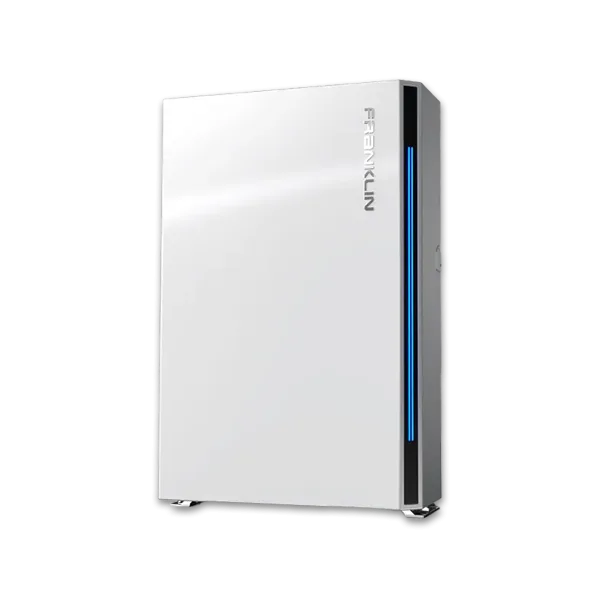
FranklinWH aPower: Highest Continuous Output for Whole-Home Backup
FranklinWH aPower's standout spec is continuous output: 10 kW, the highest of the three batteries in this comparison. For Connecticut homeowners with oil-to-heat-pump conversions, central A/C, or other high-draw loads, 10 kW continuous is the spec that determines whether your backup can actually run your whole house or just your essential loads.
FranklinWH uses a hybrid inverter architecture - the battery and inverter are integrated, which typically means slightly higher system efficiency than AC-coupling. It supports both DC-coupled (new solar installation) and AC-coupled (add-on to existing solar) configurations.
The aPower is the newest of the three batteries in this comparison. FranklinWH is a U.S.-based company that offers a 12-year warranty, shorter than Enphase's 15-year warranty but comparable to Powerwall's 10-year warranty.
Best for: Whole-home backup with high-draw loads, oil-to-electric conversions, larger Connecticut homes where a single battery's 10 kW output can run central HVAC and the EV charger simultaneously.
Tesla Powerwall 3: Best Efficiency, Best Tesla Integration
Powerwall 3 is the newest generation in the Powerwall line. The standout spec is round-trip efficiency: approximately 97.5% - significantly higher than the 89% round-trip efficiency of Enphase and FranklinWH. In practical terms, for every 100 kWh your solar puts into the battery, you get 97.5 kWh back out instead of 89 kWh. Over 10 years, that difference is meaningful.
Powerwall 3 also integrates most cleanly with Tesla solar and with the Tesla app ecosystem. For homeowners who already drive a Tesla, the single-app experience (car, home solar, battery, EV charger) is a real convenience advantage.
Powerwall 3 requires a Tesla-certified installer. West Electric is Tesla Powerwall certified. The 10-year warranty is the shortest of the three options, though Tesla's warranty service track record is strong.
Best for: Tesla vehicle owners, homeowners who prioritize efficiency over raw output, new solar + battery installations where DC coupling can be optimized.
The CT Energy Storage Solutions Incentive Applies to All Three
Connecticut's Energy Storage Solutions (ESS) program pays an incentive for qualifying residential battery storage regardless of brand. As of 2026, the incentive is approximately $200-$400 per kWh of installed usable capacity, paid over time based on battery discharge. Confirm current rates and program caps at ctgreenbank.com.
Which Battery Do Most Connecticut Homeowners Choose?
At West Electric, Enphase IQ Battery is the most common add-on for existing Enphase solar owners. Powerwall 3 is the most common choice for new solar + battery installations, particularly among Tesla vehicle owners. FranklinWH aPower is the fastest-growing option for customers prioritizing whole-home backup with high continuous output.
For most Connecticut homeowners, the right battery depends more on your existing solar inverter and your household's largest backup loads than on any single spec. West Electric designs each system to match your actual usage, not the battery with the best marketing.
Free Battery Storage Design and Estimate
West Electric is certified to install all three batteries in Connecticut. We design battery systems around your actual loads, backup priorities, and existing solar equipment - then run the incentive math so you know your real out-of-pocket.
GET A FREE BATTERY ESTIMATEWest Electric is Connecticut's trusted electrical contractor, providing professional insight into the latest energy and safety trends.
More from the blog

Solar
How to Save on Energy with Solar
Discover how high-efficiency solar panels can drastically reduce your monthly utility bills.

EV Charging
EV Charging: Home vs Public
Understanding the benefits of installing a Level 2 home charger for your electric vehicle.
Safety
Preventing Electrical Fires
Key safety tips and inspection schedules to keep your home's electrical system safe.
Ready for an estimate on your project?
Free site visit. Written quote. Licensed Connecticut electricians.
Get a Free Estimate