Do I Need a 200A Service Upgrade for My EV Charger and Heat Pump?
Adding an EV charger or a heat pump is the moment most Connecticut homeowners first hear the phrase "you might need a service upgrade." Sometimes that is true. Often it is not. Here is the actual framework for deciding, without the upsell pressure.
What "Service Upgrade" Actually Means
Your electrical service has two components: the panel (the breaker box inside your home) and the service entrance (the wires that bring power from the utility to your meter and then to the panel). A service upgrade typically means replacing both, increasing the capacity from 100A to 150A or 200A, or from 150A to 200A.
The panel capacity is what limits how many simultaneous high-draw circuits you can run. A 100A service delivers a maximum of roughly 24,000 watts (100A x 240V). A 200A service doubles that to 48,000 watts. In practice, no home runs at full load - the question is whether your calculated load under NEC Article 220 exceeds what your service can safely deliver.
The NEC Article 220 Load Calculation
Before recommending a service upgrade, a licensed electrician should calculate your home's total electrical load using the NEC Article 220 method. This accounts for:
- General lighting load (3 VA per square foot)
- Small appliance circuits (kitchen, laundry)
- Fixed appliances (dishwasher, disposal, oven, dryer)
- HVAC (either A/C or heat, whichever is larger - not both)
- The new load you want to add (EV charger at 7,200W continuous, heat pump at its rated draw)
After applying the NEC demand factors (which reduce the calculated load based on the statistical reality that not everything runs simultaneously), most Connecticut homes come in well under 200A even with modern loads. The surprise many homeowners find: the math often works on 100A or 150A service.
When You Probably Do NOT Need an Upgrade
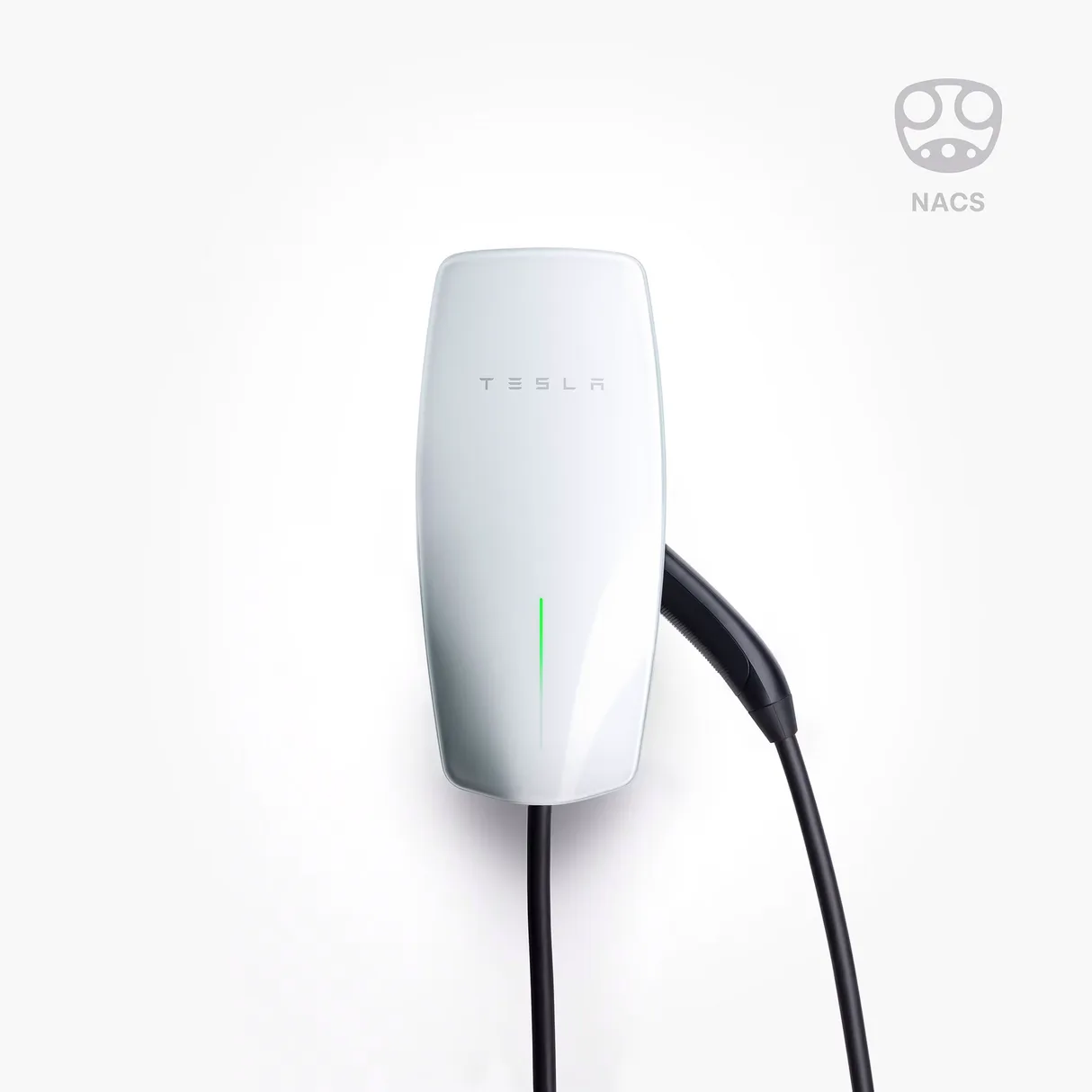
- Adding one Level 2 EV charger to a 150A service: Almost always fine. A 48A charger draws 11,520W continuously but NEC demand factors typically bring this within safe headroom for a 150A panel with normal household loads.
- Adding one Level 2 EV charger to a 100A service with gas heat and a moderate household: Often fine, especially if you set the charger to 32A (7,680W) using the ChargePoint or JuiceBox amperage adjustment feature.
- Adding a mini-split heat pump to supplement existing forced-air gas heat: A single-zone mini-split (9,000-18,000 BTU) draws 700-2,000W at most. This rarely tips a 100A service over the limit.
When You Probably DO Need an Upgrade
- Adding an EV charger + heat pump + solar all at once on 100A service: The combination of continuous EV charging, a whole-home heat pump compressor, and the solar inverter's backfeed current frequently exceeds 100A headroom.
- Your panel is already full: If there are no open breaker slots and your existing circuits are already near capacity, a service upgrade is both the code-compliant and practical solution.
- You are converting from gas to all-electric: Replacing a gas furnace, gas range, and gas water heater simultaneously with electric equivalents substantially increases your load. 200A is almost always necessary.
- Two EVs on the same service: Two 48A chargers running simultaneously require 120A of dedicated capacity. Without load sharing hardware, this will trip a 100A service.
- Your panel brand is Federal Pacific, Zinsco, or Pushmatic: These panels have documented safety issues. Replacement is recommended on safety grounds regardless of capacity.
Alternatives That May Let You Skip the Upgrade
- EV charger amperage reduction: Most Level 2 chargers can be configured to charge at a lower amperage (32A or even 24A instead of 48A). This reduces the circuit requirement from a 60A breaker to a 40A breaker and cuts the continuous load nearly in half. Charging takes longer, but for overnight charging this rarely matters.
- Load management device: A smart breaker or whole-home load manager (Eaton CHSPT2ULTRA, Leviton Load Controller) monitors total panel draw and automatically reduces EV charger output when other large loads are active. This can make EV charging work on a 100A service without an upgrade.
- Span Smart Panel: Replaces your main panel with software-defined circuit management. Span can dynamically shed low-priority loads when an EV charger or heat pump spikes demand. In the right home, it eliminates the need for a utility service upgrade.
What West Electric Does on Every Estimate
Every West Electric estimate for EV charger, heat pump, or solar installation includes a panel capacity assessment. We calculate your existing load, add the proposed new load, apply NEC demand factors, and give you an honest answer: upgrade needed, or not. If it is genuinely needed, we quote it. If it is not, we tell you that too.
Free Panel Assessment with Every Estimate
West Electric includes a panel capacity check on every EV charger, heat pump, and solar estimate across Connecticut. You will get a straight answer on whether a service upgrade is actually needed.
GET A FREE ESTIMATEWest Electric is Connecticut's trusted electrical contractor, providing professional insight into the latest energy and safety trends.
More from the blog
Solar
How to Save on Energy with Solar
Discover how high-efficiency solar panels can drastically reduce your monthly utility bills.
EV Charging
EV Charging: Home vs Public
Understanding the benefits of installing a Level 2 home charger for your electric vehicle.
Safety
Preventing Electrical Fires
Key safety tips and inspection schedules to keep your home's electrical system safe.
Ready for an estimate on your project?
Free site visit. Written quote. Licensed Connecticut electricians.
Get a Free Estimate