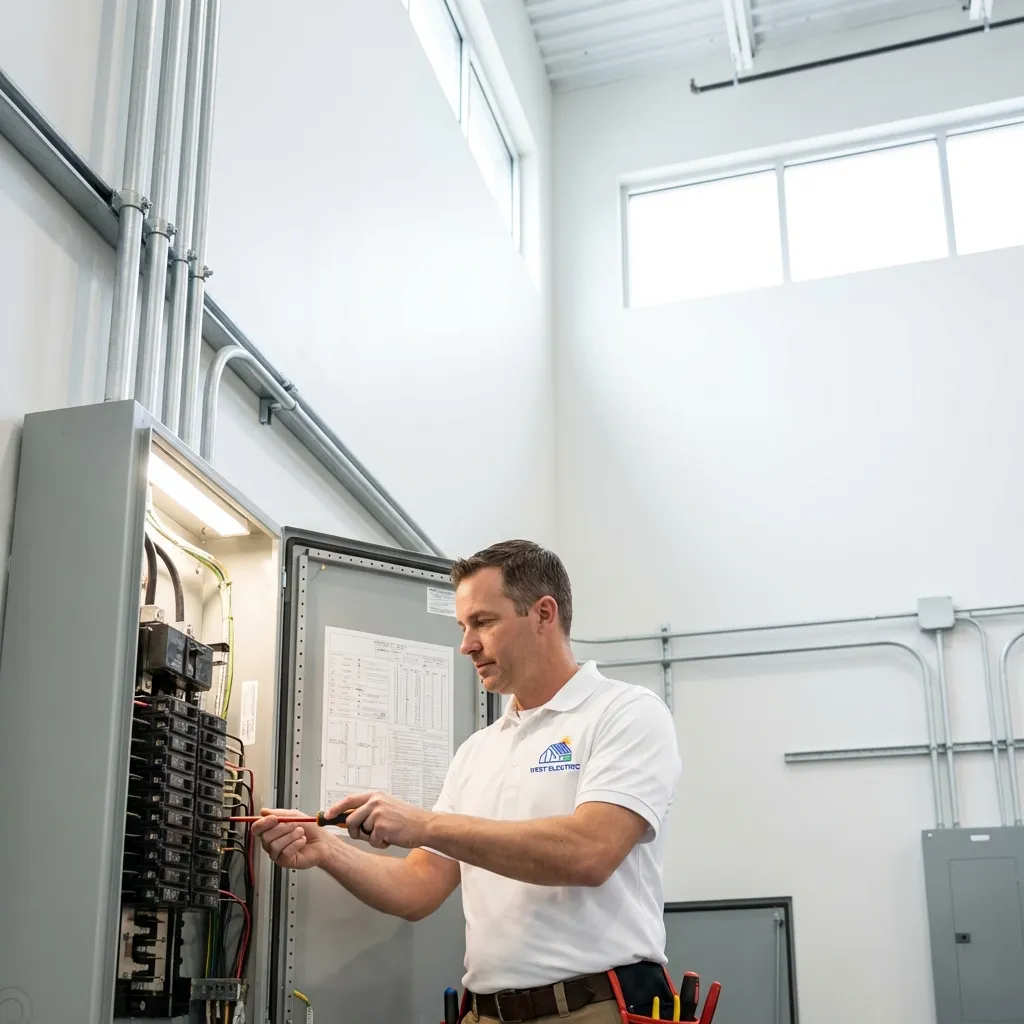
Connecticut Electrical Inspections: What to Expect After Your Installation
Every permitted electrical project in Connecticut requires a final inspection before it can be energized and used. For homeowners getting a solar system, EV charger, panel upgrade, or generator, the inspection is the last step before your project is officially complete. Here is what inspectors look for, how long it takes to schedule, and what happens if something fails.
Who Performs Electrical Inspections in Connecticut
Connecticut electrical inspections are performed by the Electrical Division of the Department of Consumer Protection (DCP), not by local building departments. This is different from most states, where electrical inspection is a municipal function. The state runs a regional inspection office system, and inspectors are assigned by geographic area.
This matters because it means inspection scheduling goes through the state DCP system, not your town hall. West Electric submits inspection requests on your behalf through the DCP inspector request system after the permit is issued and work is complete.
The Two Types of Electrical Permits in Connecticut
Connecticut issues two types of electrical permits that require inspection:
- Electrical permit (E-permit): Required for all electrical work. Issued by the local town building department. Inspected by the state DCP electrical inspector. This covers EV chargers, panel upgrades, generator connections, and the electrical portion of solar.
- Building permit: Required when work involves structural attachment, like solar panels on a roof. Issued and inspected by the local town building department. Solar projects require both an electrical permit (state DCP) and a building permit (local town).
What the Electrical Inspector Checks
Connecticut electrical inspectors verify compliance with the NEC (2023 edition as adopted in CT) and Connecticut-specific amendments. For the most common West Electric project types:
EV Charger Inspection Checklist
- Dedicated 240V circuit with correct breaker size (typically 50A for a 40A charger)
- Wire gauge appropriate for circuit amperage and run length
- GFCI protection (required by NEC 625.54 for Level 2 EVSE)
- Proper mounting of the charger and conduit
- Outdoor-rated enclosure if exterior installation
- Anti-oxidant compound on aluminum wiring connections (if applicable)
- Panel breaker labeling
Panel Upgrade Inspection Checklist
- Service entrance conductor sizing matches new panel amperage
- Surge protective device (SPD) installed - required by NEC 230.67 since 2023
- Main breaker rating matches service amperage
- AFCI protection on required circuits (bedrooms, living areas, etc.)
- GFCI protection on required circuits (kitchen, bath, garage, outdoor)
- Grounding electrode system properly bonded
- Neutral and ground buses properly separated in subpanels
- Panel directory completed and accurate
- Utility meter socket in good condition (inspector may note for utility)
Solar System Inspection Checklist (Electrical)
- Rapid Shutdown System (NEC 690.12) properly installed and labeled
- AC and DC disconnect switches accessible and labeled
- Interconnection point (main panel or line-side tap) properly protected
- Inverter properly grounded and bonded
- Conduit routing and protection where exposed
- System placard on main panel (NEC 690.56) showing solar system specs
- CT utility interconnection approval in hand before PTO
How Long Does Inspection Scheduling Take in Connecticut?
Electrical inspection scheduling varies by region and season. In most Connecticut towns, inspection appointments are available within 1-2 weeks of request submission. During peak installation season (spring and fall), waits can extend to 3-4 weeks in some regions.
For solar projects, two separate inspections are often required: the DCP electrical inspection and the local building department structural inspection. These are scheduled independently and may happen on different days.
West Electric requests inspections as soon as work is complete and coordinates inspection times with you. You do not need to be present for electrical inspections in most cases, though it is helpful to have someone available to provide access.
What Happens If the Inspection Fails
If the inspector identifies a deficiency, they issue a re-inspection notice specifying what must be corrected. Common reasons for re-inspection:
- Missing or incorrect GFCI/AFCI protection
- Improper wire gauge for the circuit length
- Missing surge protective device on panel upgrade
- Conduit not secured at required intervals
- Missing panel directory or labeling
West Electric corrects all inspection deficiencies at no additional charge and schedules the re-inspection. In five years of permitted work across Connecticut, our first-pass inspection success rate is over 95%.
Can You Use the System Before Inspection Passes?
For most work, you cannot legally operate the installed equipment until inspection passes and the permit is closed. For solar, this is enforced by the utility: Eversource and United Illuminating will not issue Permission to Operate (PTO) until the electrical inspection is recorded as passed with the town. Turning on a solar system before PTO is a utility agreement violation.
For EV chargers and panel upgrades, the inspector may allow temporary use in limited circumstances, but this is at the inspector's discretion and not something West Electric recommends or facilitates.
West Electric Handles Every Permit and Inspection
Every West Electric project includes permit filing, inspection scheduling, and permit closeout. You never have to call the state or your town building department. We manage the entire process and update you at each milestone.
GET A FREE ESTIMATEWest Electric is Connecticut's trusted electrical contractor, providing professional insight into the latest energy and safety trends.
More from the blog
Solar
How to Save on Energy with Solar
Discover how high-efficiency solar panels can drastically reduce your monthly utility bills.

EV Charging
EV Charging: Home vs Public
Understanding the benefits of installing a Level 2 home charger for your electric vehicle.
Safety
Preventing Electrical Fires
Key safety tips and inspection schedules to keep your home's electrical system safe.
Ready for an estimate on your project?
Free site visit. Written quote. Licensed Connecticut electricians.
Get a Free Estimate