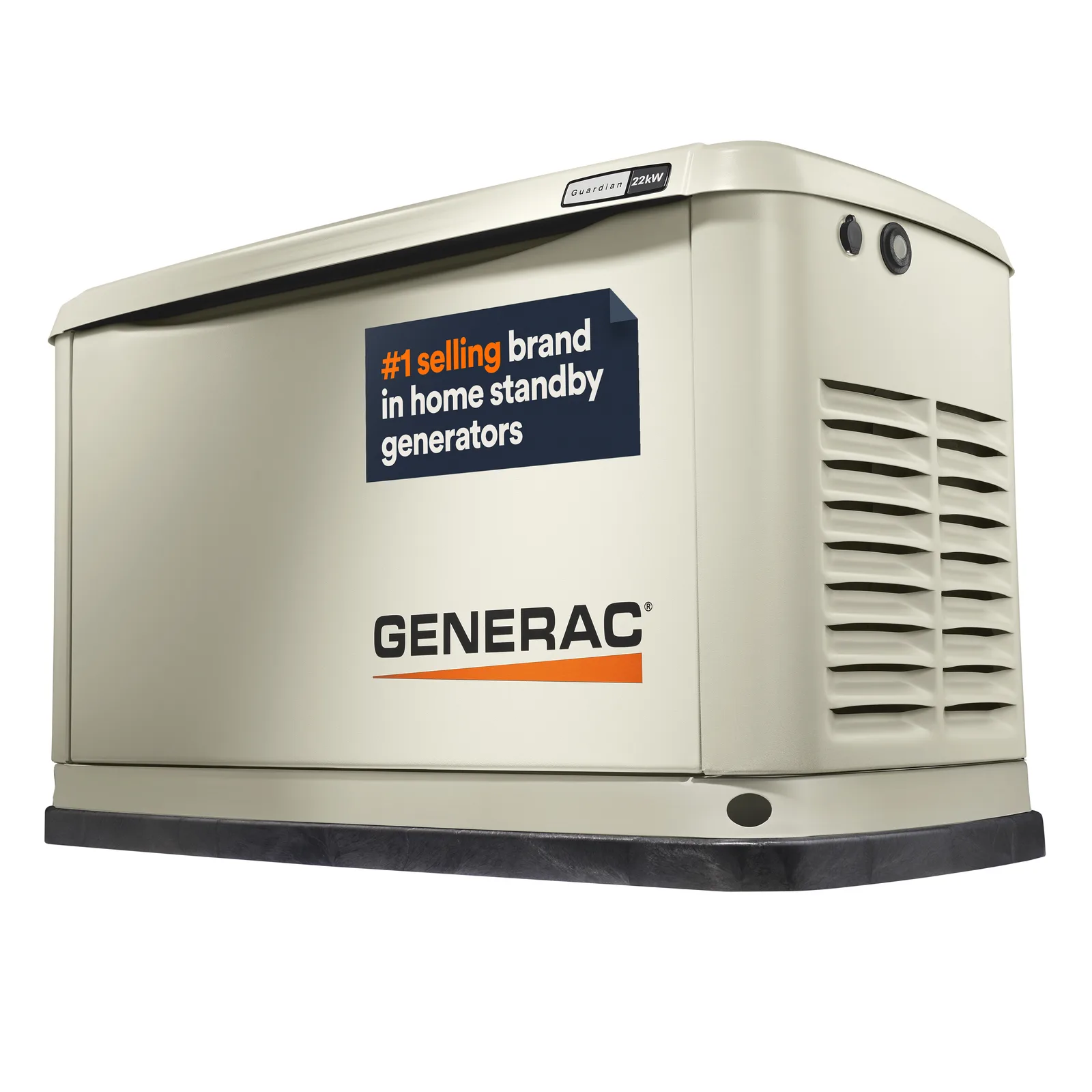
Battery Backup vs Standby Generator in Connecticut: Which Is Right for You?
Connecticut homeowners facing their first serious power outage often ask the same question: should I get a battery backup system or a standby generator? Both keep your lights on when the grid goes down. They differ in how long they run, what they power, how much they cost, and what kind of outage they handle best. This guide gives you the direct comparison so you can make the right choice for your home.
Side-by-Side Comparison
| Factor | Battery Backup | Standby Generator |
|---|---|---|
| Runtime | Limited by stored energy (8-36 hrs typical) | Unlimited while fuel supply lasts |
| Fuel source | Electricity (from grid or solar) | Natural gas or propane |
| Recharge during outage | Solar only (if installed) | Continuous from fuel line or tank |
| Starts automatically | Yes (instant switchover) | Yes (10-30 second delay) |
| Noise during operation | Silent | Audible (55-70 dB at 23 feet) |
| CT installed cost (1 unit) | $14,000 - $20,000 | $7,000 - $16,000 |
| CT utility incentive | ESS: $200-400/kWh | None |
| Annual maintenance | Minimal (software updates) | $150-$300/yr (annual service) |
| Outdoor placement required | No (garage or interior) | Yes (outdoor, with setbacks) |
| Whole-home backup | Difficult with 1 unit; 2-4 needed | Yes (16-24 kW handles most homes) |
| Best outage duration | Hours to 1-2 days | Days to weeks |
| Best outage frequency | Short, frequent outages | Extended rare outages (hurricane season) |
The Connecticut Context: What Kind of Outages Are We Talking About?
Connecticut has a specific storm profile that matters for this decision. The state sits in the path of nor'easters, occasional tropical storms, and ice storms, which produce outages that range from hours to weeks. The two ends of the spectrum:
Short outages (hours, frequent)
Connecticut experiences dozens of short outages per year from summer thunderstorms and wind events. A battery system handles these perfectly - it kicks in instantly, powers essential loads, and recharges overnight when the grid returns. No fuel logistics. A generator is overkill and inconvenient for 4-hour outages.
Extended outages (days to weeks, rare)
Hurricane Irene (2011) and Tropical Storm Sandy (2012) left parts of Connecticut without power for 5-10 days. In these events, a battery system without solar will be depleted in 24-48 hours. A generator with natural gas service or adequate propane storage runs indefinitely. If extended outage resilience is the primary goal, a generator is clearly better.
The combination approach
Many Connecticut homeowners install both: a battery for short outages and daily TOU rate optimization, plus a generator for extended events. This is the most resilient setup but also the most expensive ($25,000-$35,000+ combined). West Electric can design and install both systems.
10-Year Total Cost: Battery vs Generator
Powerwall 3 (1 unit, with solar system)
$14,000 - $20,000
CT ESS adds $2,700-$5,400 over 5 yrs. Annual cost: near zero beyond the install.
Powerwall 3 (standalone, no solar)
$14,000 - $20,000
No solar to recharge during extended outage.
Generac 20 kW (natural gas)
$9,500 - $14,000
Annual service: $200/yr = $2,000 over 10 yrs. Fuel at 50% load (run time): ~$3/hr on nat. gas.
Generac 20 kW (propane)
$9,500 - $14,000 + tank ($1,500-$3,500)
Annual service: $200/yr. Fuel at 50% load: ~$5-6/hr on propane.
Which Is Right for Your Situation?
Choose battery backup if...
You have or are getting solar panels, so the battery recharges from your own production. You experience frequent short outages and want silent, automatic protection. You live in a neighborhood with gas restrictions or no gas service. You want to benefit from TOU rate arbitrage and peak shaving. You prioritize environmental impact.
Choose a standby generator if...
You have extended outage risk (wooded area, end of a distribution line, prior multi-day outage history). You have a medical device, sump pump, or well that must run continuously for days. Your home has natural gas service (near-unlimited fuel during grid outages). Upfront cost is a primary constraint (generators are typically cheaper before incentives).
Choose both if...
You have experienced a week-long outage and never want to again. You have solar panels and want both TOU optimization and extended backup. You have both a heat pump and a sump pump and want fully automatic, unlimited protection.
Battery or Generator - Get a Connecticut Quote for Both
West Electric installs battery storage systems (Powerwall 3, Enphase IQ Battery, FranklinWH) and standby generators (Generac, Cummins, Kohler) across Connecticut. Tell us your outage history and priority loads and we will give you firm pricing for whichever option fits your situation.
GET A FREE BACKUP POWER ESTIMATEWest Electric is Connecticut's trusted electrical contractor, providing professional insight into the latest energy and safety trends.
More from the blog
Solar
How to Save on Energy with Solar
Discover how high-efficiency solar panels can drastically reduce your monthly utility bills.

EV Charging
EV Charging: Home vs Public
Understanding the benefits of installing a Level 2 home charger for your electric vehicle.
Safety
Preventing Electrical Fires
Key safety tips and inspection schedules to keep your home's electrical system safe.
Ready for an estimate on your project?
Free site visit. Written quote. Licensed Connecticut electricians.
Get a Free Estimate