How Battery Storage Works
Learn how battery storage systems capture and store solar energy for use when you need it most. Understand the technology behind reliable home energy storage and backup power.
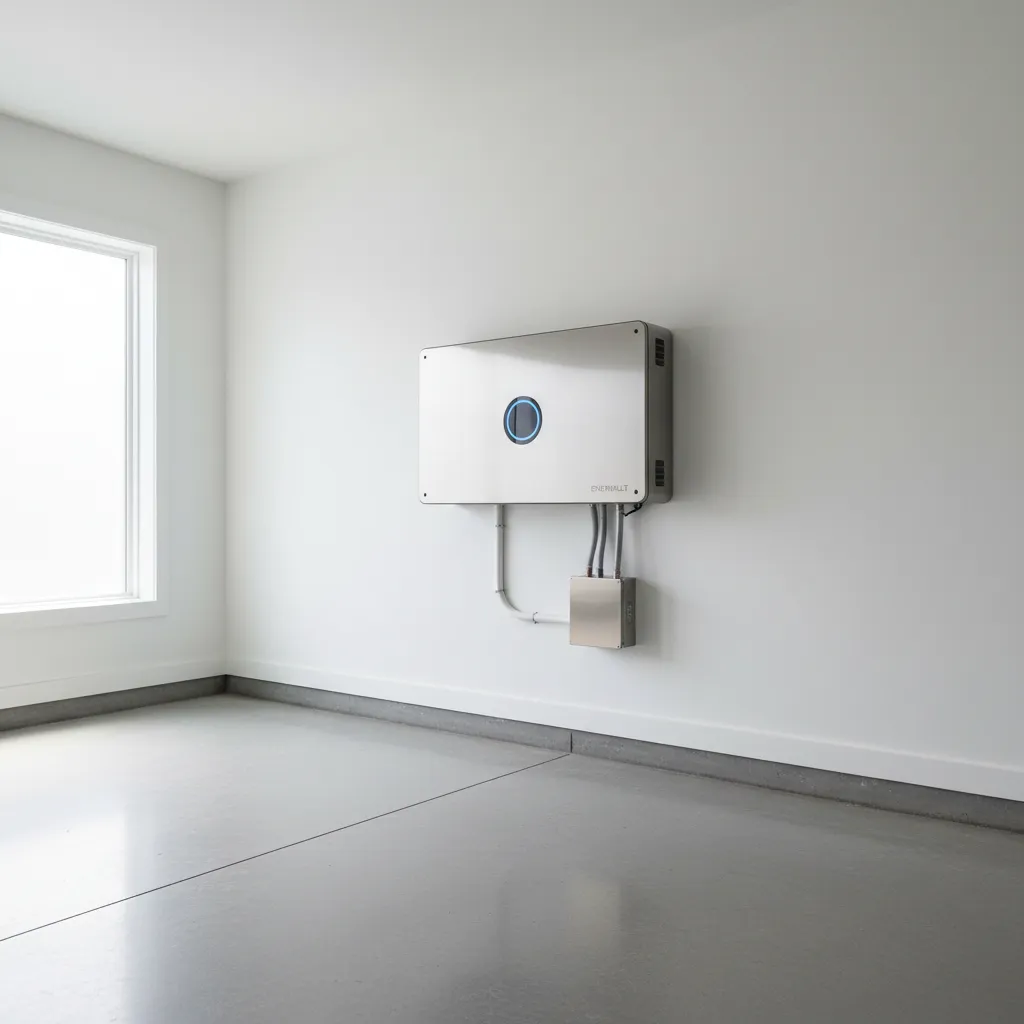
Understanding Battery Storage Systems
Battery storage systems work by capturing excess solar energy generated during the day and storing it in high-capacity lithium-ion batteries for use when the sun isn't shining. When your solar panels produce more electricity than your home needs, the excess energy charges your battery system instead of being sent back to the grid.
During evening hours, nighttime, or power outages, your battery storage system automatically discharges stored energy to power your home. This provides backup power during outages and allows you to use your own solar energy even when the sun isn't shining, maximizing your energy independence and reducing reliance on the grid.
Key Components of Battery Storage Systems:
Battery Modules
High-capacity lithium-ion batteries that store electrical energy safely and efficiently.
Inverter System
Converts DC battery power to AC power for use in your home's electrical system.
Battery Management System
Monitors battery health, temperature, and charging cycles to ensure safe operation.
Smart Controls
Automated systems that manage when to charge and discharge based on your energy needs.
Grid Integration
Seamless connection to your home's electrical panel and the utility grid.
Monitoring App
Mobile and web apps that let you track energy storage, usage, and system performance.
Connecticut's Trusted Battery Storage Experts
Licensed & Insured
Fully licensed (ELC.0197545-E1) and insured for your protection and peace of mind.
Battery Storage Specialists
Extensive experience installing battery storage systems for Connecticut homeowners.
Code Compliant
All installations meet or exceed Connecticut electrical codes and safety standards.
Free Consultations
Get expert guidance on battery storage systems. No obligation, just helpful information.